
Signs Your Grease Trap Needs Cleaning
Grease traps play a critical role in protecting commercial kitchen plumbing by capturing fats, oils, grease (FOG), and food solids before they enter your drainage system. For restaurants, hotels, cafeterias, and other food-service operations, a properly maintained grease trap helps prevent backups, control odours, and keep kitchen operations running smoothly.
However, when a grease trap is not cleaned on schedule, it can quickly become a source of serious problems. Grease buildup reduces system capacity, restricts flow, and increases the risk of plumbing issues that can disrupt service and lead to costly repairs.
Recognizing the early warning signs of grease trap buildup can help you avoid emergency situations and maintain a clean, compliant kitchen. Below are the most common signs your grease trap needs cleaning.
Slow Drainage in Sinks
Slow-draining sinks are often the first indication that grease is building up inside your system. If water is taking longer than usual to drain from prep sinks, dishwashing stations, or floor drains, grease and solids may be restricting flow within the trap or connected piping.
While this may seem like a minor issue at first, it can quickly escalate into a full blockage if not addressed. Regular grease trap cleaning helps restore proper flow and prevent further buildup.
Strong, Unpleasant Odours
Foul smells coming from drains or near the grease trap are a clear sign that grease and food waste have accumulated inside the system. As these materials break down, they produce strong, unpleasant odours that can spread throughout the kitchen.
In a commercial environment, persistent odours can affect both staff working conditions and the overall dining experience. Professional cleaning removes the source of these smells and helps maintain a cleaner kitchen environment.
Frequent Backups or Overflows
If wastewater is backing up into sinks or floor drains, your grease trap may be full or clogged. This is a serious issue that can interrupt kitchen operations and create unsanitary conditions.
Backups often occur when grease buildup prevents proper drainage, forcing water and waste back into the kitchen. Immediate service is required to resolve the issue and prevent further disruption.
Grease Overflow or Visible Buildup
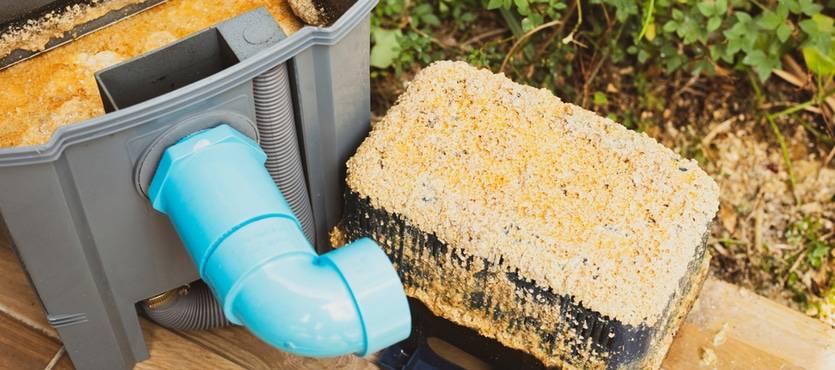
Visible grease, solids, or standing waste inside or around the grease trap indicates that the system has exceeded its capacity. At this stage, the trap is no longer functioning effectively and requires immediate cleaning.
Allowing buildup to reach this point increases the risk of plumbing problems, odours, and system failure. Routine maintenance helps prevent excessive accumulation and keeps your system operating properly.
Increased Pest Activity
Grease traps containing food waste and standing grease can attract pests such as flies, cockroaches, and rodents. If you are noticing increased pest activity near drains or kitchen areas, your grease trap may be contributing to the problem.
Regular grease trap cleaning helps reduce the buildup that attracts pests and supports a more sanitary kitchen environment.
Recurring Drain Issues
If your kitchen is experiencing repeated clogs, slow drains, or frequent drain cleaning, the grease trap may be the underlying cause. A full or poorly maintained trap can contribute to ongoing buildup in connected plumbing lines.
Addressing the grease trap—not just the visible clog—helps resolve the root of the problem and prevents recurring issues.
It Has Been More Than 1–3 Months Since Your Last Cleaning
For most commercial kitchens, grease traps should be cleaned every 1–3 months depending on kitchen volume, cooking methods, and grease output. High-volume restaurants and kitchens with heavy frying may require more frequent service.
If it has been longer than your recommended cleaning schedule, buildup is likely already affecting performance—even if major issues have not yet appeared.
Why Regular Grease Trap Cleaning Matters
Routine grease trap cleaning is one of the most effective ways to prevent plumbing issues, reduce odours, and maintain a clean and compliant kitchen. Waiting until problems occur often leads to emergency service calls, unexpected downtime, and higher costs.
By scheduling regular maintenance, you can:
- Prevent backups and drainage issues
- Reduce foul odours in the kitchen
- Maintain compliance with local regulations
- Extend the life of your grease trap system
- Keep your kitchen operating without disruption
Don’t Wait for a Kitchen Shutdown
Ignoring the warning signs of grease buildup can lead to blocked drains, overflows, pest issues, and costly downtime. In a commercial kitchen, even a short disruption can affect service, staff workflow, and overall operations.
Professional grease trap cleaning helps keep your system functioning properly and reduces the risk of avoidable issues.
Need Grease Trap Cleaning in The GTA?
Mirza Grease Trap Services provides professional grease trap cleaning, interceptor pumping, and maintenance programs for restaurants and commercial kitchens across Toronto and the GTA.
Contact our team today to schedule service and keep your kitchen running clean, compliant, and efficient.